
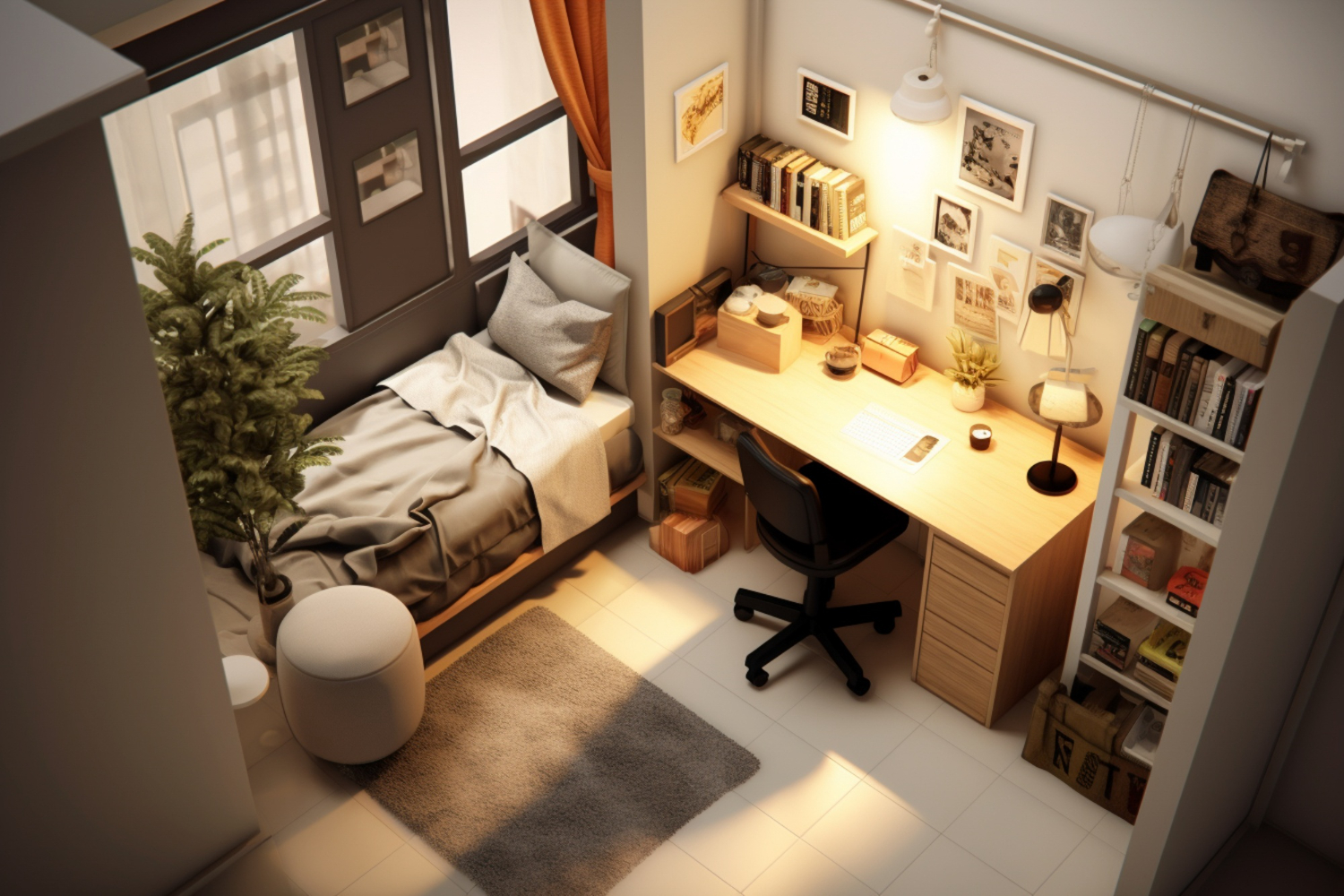
Decorating Small Spaces Without Sacrificing Style
Living in a small space does not mean you have to give up comfort, creativity, or style. In fact, smaller spaces often offer the opportunity to be more thoughtful and intentional with design choices. When every piece of furniture and decor has a purpose, a small room can feel both functional and beautiful. With the right approach, even the most compact spaces can feel open, inviting, and stylish.
Decorating a small space is all about maximizing what you have. By focusing on smart layouts, multi-functional furniture, and thoughtful design details, you can create a space that feels larger and more comfortable while still reflecting your personal taste.
Choose Furniture That Fits the Scale of the Room
One of the most important factors when decorating a small space is choosing furniture that fits the size of the room. Oversized furniture can quickly overwhelm a small area and make it feel crowded. Instead, opt for pieces that are proportional to the space.
Slim-profile sofas, compact chairs, and smaller tables allow for easier movement around the room while still providing comfort and function. Furniture with exposed legs can also help create the illusion of openness because it allows light and space to flow beneath the pieces.
Selecting furniture that fits the scale of the room helps maintain balance and prevents the space from feeling cramped.
Use Multi-Functional Furniture
In smaller spaces, furniture that serves more than one purpose can be extremely valuable. Multi-functional pieces help reduce clutter while maximizing the usefulness of every item in the room.
Storage ottomans, fold-out tables, sofa beds, and nesting tables are great examples of furniture that can adapt to different needs. A coffee table with built-in storage can hold blankets, books, or other items while still serving as a centerpiece for the living room.
These types of pieces help you maintain a clean and organized environment while making the most of limited space.
Embrace Light and Neutral Colors
Color can have a powerful effect on how large or small a space feels. Light and neutral tones tend to reflect more light, making rooms appear brighter and more open.
Soft shades of white, cream, beige, or light gray create an airy atmosphere that helps a room feel less confined. These colors also serve as a versatile backdrop for decorative accents.
If you enjoy bold colors, consider adding them through smaller elements such as pillows, artwork, or decorative objects. This allows you to introduce personality without overwhelming the room.
Maximize Vertical Space
When floor space is limited, vertical space becomes extremely valuable. Using the walls effectively can help free up the floor while providing additional storage and decoration opportunities.
Floating shelves, tall bookcases, and wall-mounted storage units allow you to keep items organized without taking up valuable floor area. Wall hooks and hanging organizers can also help keep frequently used items easily accessible.
By thinking vertically, you can increase both storage and visual interest in the room. Use Mirrors to Create the Illusion of Space
Mirrors are one of the most effective tools for making a small room appear larger. Because mirrors reflect light and surrounding elements, they create the illusion of depth and openness.
Placing a large mirror on a wall or near a window can help bounce natural light throughout the room, making the space feel brighter and more expansive. Decorative mirrors can also serve as stylish focal points while enhancing the room’s overall design.
Even a few well-placed mirrors can dramatically change how a small space feels. Keep the Layout Open and Airy
A cluttered layout can make a small space feel even smaller. Keeping the arrangement simple and open allows the room to breathe and feel more comfortable.
Avoid overcrowding the room with too many furniture pieces. Instead, focus on a few essential items that provide both function and style. Leaving some open space between furniture helps maintain good flow and makes the room feel less confined.
Thoughtful placement of furniture can make a small room feel organized and inviting rather than cramped.
Add Smart Storage Solutions
Storage is often one of the biggest challenges in smaller spaces. Without proper organization, clutter can quickly take over and make the room feel chaotic.
Look for creative storage options that blend seamlessly with the decor. Decorative baskets, storage benches, and shelving units can help keep items organized while still contributing to the room’s style.
Furniture with hidden storage compartments can also help keep everyday items out of sight while maintaining a clean and tidy appearance.
Use Lighting to Open Up the Room
Lighting plays a crucial role in shaping the atmosphere of a space. In smaller rooms, good lighting can make the area feel more open and comfortable.
Layered lighting works especially well. Combining ceiling lights with table lamps or floor lamps helps eliminate dark corners and creates a balanced glow throughout the room.
Soft, warm lighting makes the room feel cozy and welcoming, while brighter lighting can enhance the feeling of openness during the day.
Choose Decor That Adds Personality Without Clutter
Decorative accents are an important part of expressing personal style, but in smaller spaces it is important to avoid overcrowding surfaces.
Instead of filling every shelf or table, select a few meaningful decorative pieces that stand out. Artwork, plants, decorative bowls, or small sculptures can add character without overwhelming the room.
Grouping a few items together can create a curated look that feels intentional and stylish. Incorporate Texture for Visual Interest
Even when using a simple color palette, adding texture can bring depth and warmth to a small space. Texture helps create visual interest without requiring additional furniture or decor.
Soft rugs, woven baskets, linen curtains, and textured throw pillows all contribute to a layered and comfortable environment. Mixing materials such as wood, fabric, glass, and metal also helps create a balanced design.
These subtle details can make a small room feel more dynamic and inviting. Let Natural Light Be a Design Feature
Natural light can significantly improve how spacious a room feels. Maximizing natural light helps open up the space and create a brighter atmosphere.
Avoid heavy window coverings that block sunlight. Instead, choose light curtains or blinds that allow light to pass through while still providing privacy.
Keeping window areas clear of bulky furniture also helps ensure that sunlight can flow freely into the room.
Use Rugs to Define Areas
In small spaces, rugs can help visually define different zones within the room. This is especially helpful in studio apartments or open-plan layouts.
A rug placed under a seating area can separate the living space from other parts of the room. Even in smaller living rooms, rugs help anchor furniture and create a sense of structure.
Choosing the right rug size and placement can help the room feel more organized and intentional.
Focus on Quality Over Quantity
When space is limited, every piece of furniture and decor matters. Instead of filling the room with many small items, focus on choosing a few quality pieces that stand out.
A well-designed chair, a beautiful lamp, or a unique coffee table can make a strong visual impact without overwhelming the room.
By prioritizing quality and thoughtful design, you can maintain a stylish environment even with fewer elements.
Conclusion
Decorating a small space without sacrificing style is entirely possible with the right approach. By choosing appropriately scaled furniture, maximizing vertical storage, using light colors, and keeping the layout open, you can create a space that feels larger and more comfortable.
Thoughtful lighting, meaningful decor, and smart storage solutions help maintain both beauty and function. With careful planning and creative design choices, even the smallest living spaces can become stylish, welcoming environments that truly feel like home.