
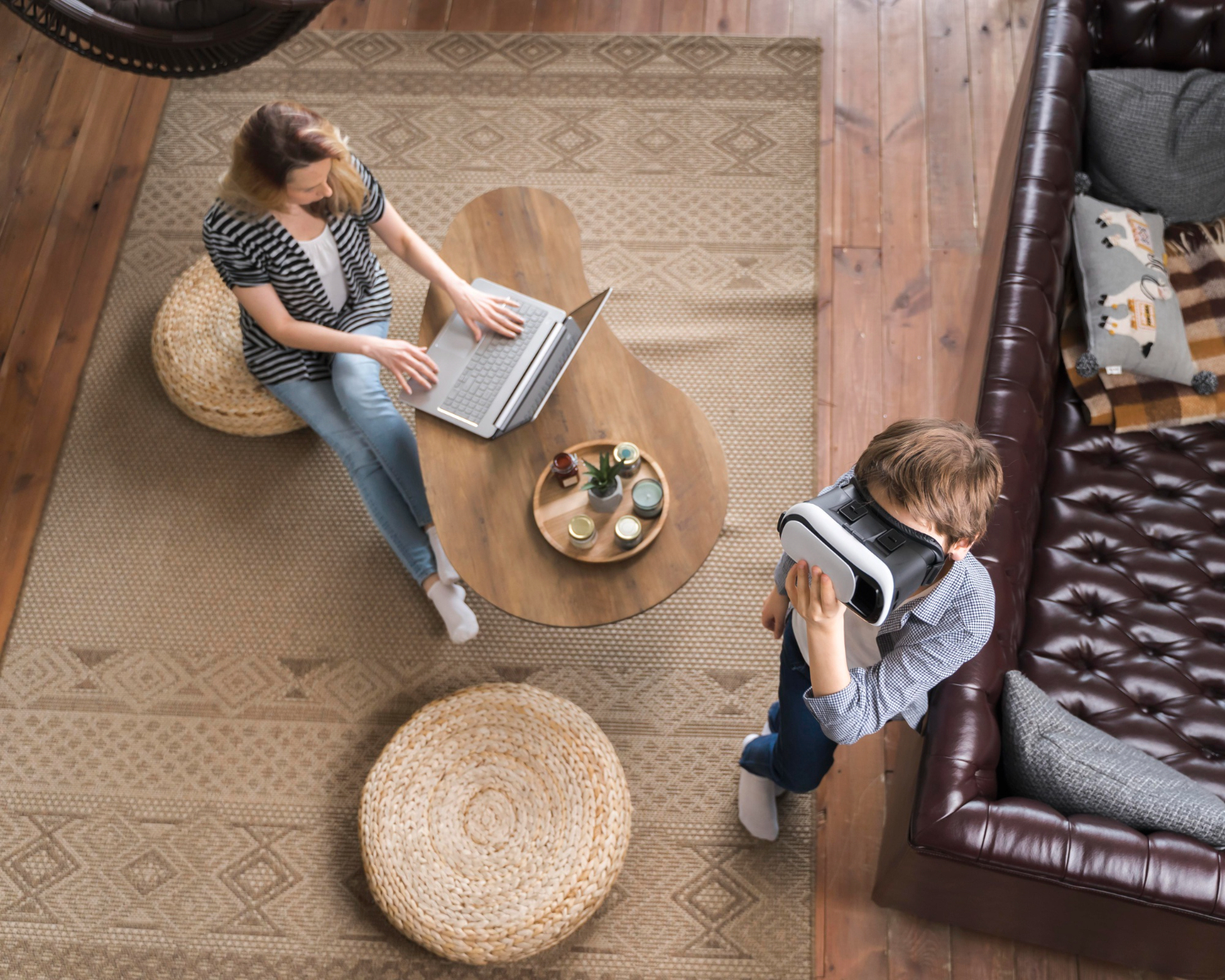
Choosing Rugs That Tie a Room Together
A rug has the power to completely transform a room. While furniture and wall decor often receive most of the attention when decorating a space, rugs quietly play one of the most important roles in interior design. The right rug can bring together colors, textures, and furniture pieces to create a balanced and cohesive look.
Beyond style, rugs also add comfort, warmth, and structure to a room. They help define areas, soften hard flooring, and make spaces feel more inviting. Choosing the right rug may seem simple at first, but there are several important factors to consider, including size, material, color, pattern, and placement.
When chosen thoughtfully, a rug can become the element that truly ties a room together. Understanding the Purpose of a Rug
Before choosing a rug, it is helpful to think about what role it will play in the room. Rugs serve both practical and visual purposes. Practically, they add comfort underfoot and help protect flooring. Visually, they anchor furniture and help define the layout of a space.
In living rooms, rugs often bring seating areas together by creating a shared visual foundation beneath sofas and chairs. In dining rooms, rugs help define the eating space while adding warmth and softness. In bedrooms, rugs create a cozy atmosphere and provide comfort when stepping out of bed.
Understanding how the rug will function helps guide the decision-making process when selecting the right one.
Selecting the Right Size for Your Space
One of the most common mistakes people make when choosing rugs is selecting a size that is too small. A rug that is too small can make a room feel disconnected and incomplete.
In living rooms, a rug should ideally be large enough so that the front legs of the sofa and chairs rest on it. This creates a cohesive seating area and helps visually connect the furniture pieces.
For dining rooms, the rug should extend beyond the dining table and chairs so that the chairs remain on the rug even when pulled out. This prevents awkward edges and maintains visual balance.
In bedrooms, rugs can be placed partially under the bed to create a soft landing area around it. Larger rugs that extend beyond the bed frame often create the most luxurious and balanced look.
Choosing the right size rug ensures that the room feels properly anchored and well-designed.
Choosing Colors That Complement the Room
Color plays a significant role in how a rug contributes to the overall design of a space. The rug can either blend harmoniously with the room’s existing colors or serve as a bold statement piece.
If the room already contains strong colors in furniture or decor, a neutral rug may help balance the space. Shades such as beige, cream, gray, or soft earth tones often work well in rooms that already have visual variety.
On the other hand, if the room feels too neutral or understated, a rug with vibrant colors or patterns can add energy and personality.
When selecting a rug color, consider how it interacts with the furniture, walls, and decorative accents in the room. A well-chosen color palette helps unify all elements within the space.
Using Patterns to Add Character
Patterns can introduce personality and movement into a room. A patterned rug can act as a focal point that draws attention and adds visual interest.
Geometric patterns often work well in modern or contemporary spaces. Traditional patterns can add timeless elegance, while abstract designs can create a more artistic atmosphere.
When using a patterned rug, it is important to balance the rest of the decor. If the rug has a bold pattern, keeping surrounding furniture and accessories more subtle can help prevent the room from feeling overwhelming.
Patterns should enhance the room rather than compete with other design elements. Considering Materials for Comfort and Durability
Rugs are available in a wide range of materials, and each option offers different benefits. The choice of material often depends on where the rug will be placed and how much traffic the area receives.
Wool rugs are popular because they are durable, soft, and naturally resistant to stains. They work well in living rooms and bedrooms where comfort is important.
Cotton rugs are lightweight and easy to clean, making them a good option for casual spaces.
Synthetic materials such as polyester or polypropylene are often chosen for high-traffic areas because they are resistant to wear and easier to maintain.
Natural fibers like jute or sisal provide a textured and earthy appearance that works well in relaxed or organic-style spaces.
Selecting the right material ensures that the rug remains both functional and visually appealing over time.
Layering Rugs for Depth and Texture
Layering rugs is a creative way to add depth and texture to a room. This technique involves placing a smaller rug on top of a larger neutral rug to create a layered effect.
For example, a large natural fiber rug can serve as a base, while a smaller patterned rug is placed on top to add color and style.
Layering rugs can help define spaces within open floor plans and add visual interest without requiring additional furniture.
This approach also allows flexibility, making it easy to change the top rug for seasonal updates or style changes.
Placing Rugs to Define Areas
In open-concept homes, rugs can help define different functional areas within a shared space. For example, a rug can separate the living room seating area from the dining area in a large room.
Placing rugs strategically helps create structure and organization within the layout. Each rug acts as a visual boundary that distinguishes one area from another.
This technique is particularly useful in apartments or homes where rooms flow into one another without walls.
Using rugs to define spaces helps create a sense of order and intentional design. Balancing Texture with the Rest of the Room
Texture is an important element in interior design, and rugs contribute significantly to the overall feel of a room. A plush, high-pile rug adds softness and comfort, while a flat-woven rug creates a more streamlined look.
When selecting a rug, consider how its texture complements the surrounding furniture and decor. A soft rug pairs well with sleek furniture by adding warmth and balance. A textured rug can also bring life to a room that contains mostly smooth surfaces.
Mixing textures thoughtfully creates a richer and more inviting environment. Maintaining Your Rug for Long-Term Style
Once you have chosen the perfect rug, proper care helps maintain its beauty and longevity. Regular vacuuming prevents dirt and dust from accumulating within the fibers.
Rotating the rug occasionally helps distribute wear evenly, especially in high-traffic areas. Spot cleaning spills promptly also helps prevent stains from becoming permanent.
For certain materials, occasional professional cleaning may help preserve the rug’s appearance and texture.
Taking care of your rug ensures it continues to enhance the room for years to come. Conclusion
A rug is much more than a decorative accessory. It serves as a foundation that connects furniture, colors, and textures into a cohesive design. By selecting the right size, color, pattern, and material, a rug can bring harmony and balance to any room.
Whether you prefer a bold statement rug or a subtle neutral piece, thoughtful placement and careful selection can transform the entire atmosphere of a space. When chosen well, a rug does exactly what great design intends—it ties the room together and makes the space feel complete.